English
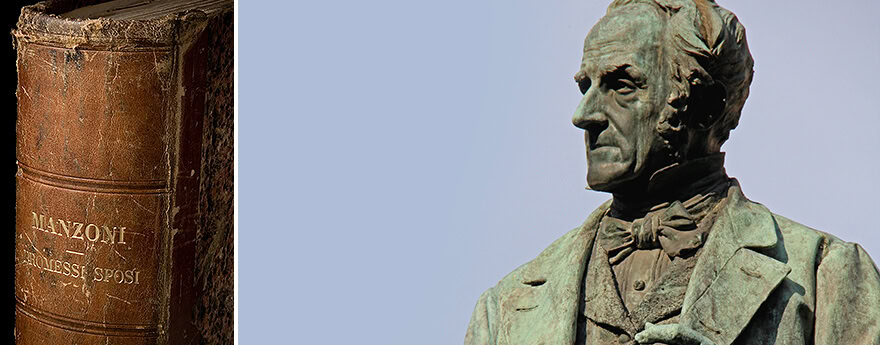
The greatness of a food product is also measured by the trace it leaves in the collective imagination and, in particular, in literature. Gorgonzola, a cheese with a thousand-year history and an unmistakable character, has been able to conquer not only the palates but also the pens of the greatest Italian writers, rightfully entering the pages of our culture.
The most famous literary testimony is certainly that of Alessandro Manzoni, who in The Betrothed — the masterpiece of nineteenth-century Italian fiction — immortalizes Gorgonzola in one of the most vivid and human scenes of the novel. Renzo Tramaglino, the young protagonist fleeing the Milanese countryside hunted by justice, arrives exhausted and hungry in an inn located along the road between Milan and the town of Gorgonzola. The innkeeper, unaware of who he has in front of him, serves him a simple but substantial meal, in which the famous “green stracchino” appears: the ancient popular name by which Gorgonzola was then known. The scene is described with that realistic liveliness that is Manzoni’s trademark, capable of transforming a frugal meal into an authentic window on the daily life of seventeenth-century Lombardy.
The presence of Gorgonzola in The Betrothed is not a random detail. Manzoni was a careful observer of the reality of his time and of the Lombard territory, and the choice to include that cheese in the story reflects how deeply rooted it was in the region’s diet and popular culture. The “green stracchino” was a common food, available along the country roads, present on the tables of both the poor and the nobles: a democratic cheese, loved by all, which Manzoni transformed almost into a symbol of Lombardy.
That Manzoni quote is now considered one of the first and most authoritative literary attestations of Gorgonzola, and contributes to making this cheese not only a gastronomic excellence, but an authentic piece of Italian history and culture.